
roby1123898715
About roby1123898715
Why Most individuals Won’t ever Be Great At Equity
 Every few years the housing market rewrites the rules, and buyers who learned the last set of rules show up unprepared for the new ones. Right now, the rules have changed more than they have at any point in a generation. The buyers who understand that are finding deals. The ones who do not are making expensive mistakes.
 Home prices at the national level have held close to their peaks despite a sharp rise in mortgage rates. The reason is supply. Homeowners who locked in three percent mortgages in 2020 and 2021 have almost no incentive to sell, which means the correction that many analysts were expecting simply did not materialize the way the data suggested it should.
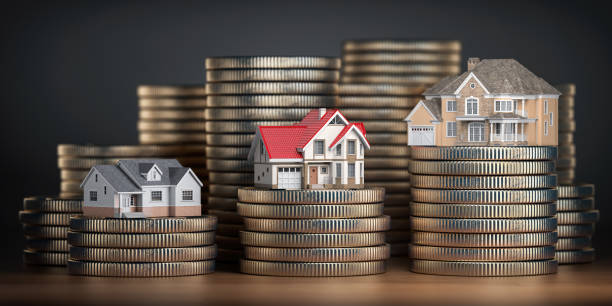 Here is what that creates for someone with solid credit and a real pre-approval in hand: less competition than you would have faced in 2021 or 2022. The panic buyers are gone. The buyers who showed up with desperation instead of preparation have mostly sat back down. What remains is a more functional market, even if it is not a cheap one.
Your credit score affects your rate more directly than most buyers realize. Moving your score up by 40 points before you apply can be worth more than months of rate watching. If your score has room to improve, pull your reports, find the issues, and address them before you start shopping seriously.
If the report surfaces significant deferred maintenance or structural issues, you have three options, not one, and walking away is a legitimate one of them. You can ask the seller to repair specific items before closing. Signing off on a failing roof or a bad HVAC system is not the same house you made an offer on.
Budget between two and five percent depending on your loan type and the state you are buying in. First-time buyers often do not see the full closing cost picture until the Closing Disclosure arrives three days before settlement. Ask your lender for a Loan Estimate with a realistic purchase price so the numbers reflect what you are actually going to face.
The timing question, whether to buy now or wait for prices to pull back, is the one that trips up more buyers than any other single factor. Waiting for the perfect moment is how people end up renting for another five years when they did not mean to. The more useful question is not whether now is the right time in the abstract; it is whether you are buying because the numbers make sense for you, not because you feel social pressure to own.
 Real estate rewards preparation more than it rewards timing. Waiting for a better market is a reasonable position only if your personal situation supports it, otherwise you are just paying rent while prices hold. Start by browsing current homes for sale and market resources to build a realistic picture of your options.
No listing found.